

Opioid Depression Risk Screening Tool
How This Tool Works
Based on the research in the article, approximately 27.3% of patients on long-term opioids develop worsening depression within three months. This tool uses the validated PHQ-9 questionnaire to assess your current mood symptoms related to opioid use. Answer honestly - your results will help guide next steps.
Important: This tool is for informational purposes only. Always discuss your results with your healthcare provider. If your score is 10 or higher, contact your doctor immediately.
When you’re in chronic pain, opioids can feel like a lifeline. But for many people, that relief comes with a hidden cost: a slow, creeping shift in mood. It’s not just fatigue or irritability. It’s losing interest in things you once loved. Feeling numb. Waking up with no hope. And it’s more common than most doctors admit.
Between 30% and 54% of people with long-term pain also have depression. But here’s the twist: opioids aren’t just treating pain-they might be making the depression worse. A major 2020 study using genetic data found that using prescription opioids doesn’t just correlate with depression-it actually increases your risk. This wasn’t just people who were already depressed taking painkillers. The science points to opioids themselves playing a role in triggering mood disorders.
How Opioids Change Your Brain
Opioids work by binding to receptors in your brain that control pain, but they also touch the same pathways that regulate mood, reward, and emotion. In the short term, this can feel like a double win: less pain, and a little lift in mood. Studies in animals show that drugs like morphine and buprenorphine reduce signs of despair-like giving up in a forced swim test-by 35% to 60%. It’s why some people on opioids say they feel calmer, even happy, at first.
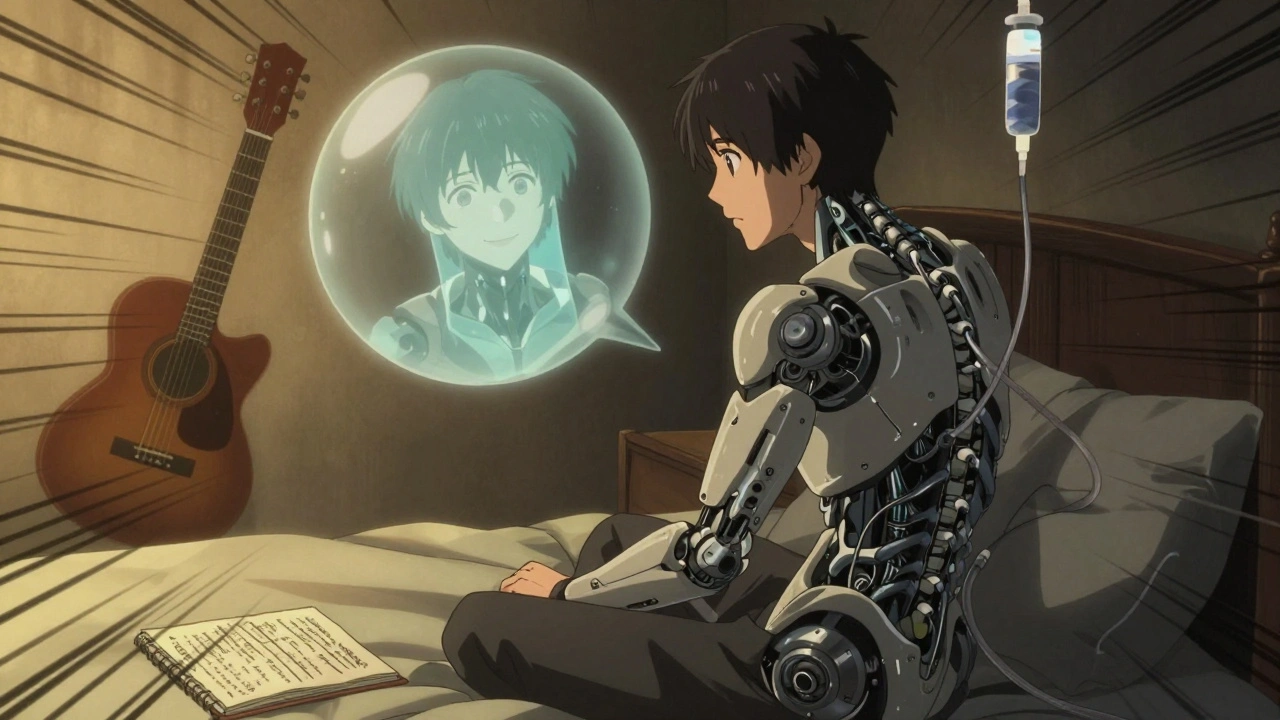
But your brain adapts. Over weeks and months, it starts to rely on the drug to keep those mood pathways running. The natural chemicals your body makes to handle stress and pleasure-like endorphins-slow down. You need more of the opioid just to feel normal. And when the drug wears off, your brain struggles to bounce back. That’s when low mood, apathy, and emotional numbness creep in.
It’s not just about dosage. A 2016 study of burn patients found that the more total opioids someone received, the higher their depression scores climbed-even after adjusting for injury severity. People taking over 50 mg of morphine equivalent per day were more than three times as likely to develop depression compared to those not using opioids at all.
The Vicious Cycle
Depression doesn’t just happen because of opioids-it can also lead to them. People with untreated depression often experience pain more intensely. They’re more likely to seek out pain relief, more likely to be prescribed opioids, and more likely to keep using them long after the injury heals. One study found depressed patients were twice as likely to move from short-term to long-term opioid use.
And once that cycle starts, it’s hard to break. Depression increases the risk of opioid use disorder by 2.5 times. People with both conditions report 37% more interference with daily life and 42% higher mental distress than those with pain alone. It’s not just physical pain-it’s emotional exhaustion, isolation, and hopelessness piling on.
What to Watch For
Depression from opioids doesn’t always show up as crying or sadness. Often, it’s quieter:
- You stop calling friends, even though you used to love talking
- You don’t care about hobbies, meals, or TV shows you used to enjoy
- You feel empty, even when you’re not in pain
- You’re more irritable, or you shut down completely
- You have trouble sleeping-or sleep too much
- You think, “What’s the point?” more often than not
These aren’t just side effects. They’re warning signs. And they often show up before a formal diagnosis. A 2020 study tracking patients on long-term opioids found that 27.3% developed worsening depression within just three months.
How to Monitor Your Mood
The American Pain Society and CDC both say: screen for depression when starting opioids. But in reality, only about 40% of doctors do it regularly. You can’t wait for your doctor to ask. You need to take charge.
Use the PHQ-9-a simple, free, nine-question tool that asks about sleep, energy, appetite, focus, and feelings of worthlessness. You can find it online or ask your doctor for a copy. Fill it out at the start of treatment, then every three months. If your score goes up by 5 or more points, that’s a red flag.
Keep a mood journal. Not a diary. Just a quick note each day:
- How was your energy today? (1-10)
- Did anything feel meaningful or enjoyable?
- Did you feel numb or disconnected?
After a few weeks, patterns emerge. Maybe you feel worse every Friday after your last dose. Maybe you’re more down after sleepless nights. That data is powerful. Bring it to your doctor.
What Can You Do?
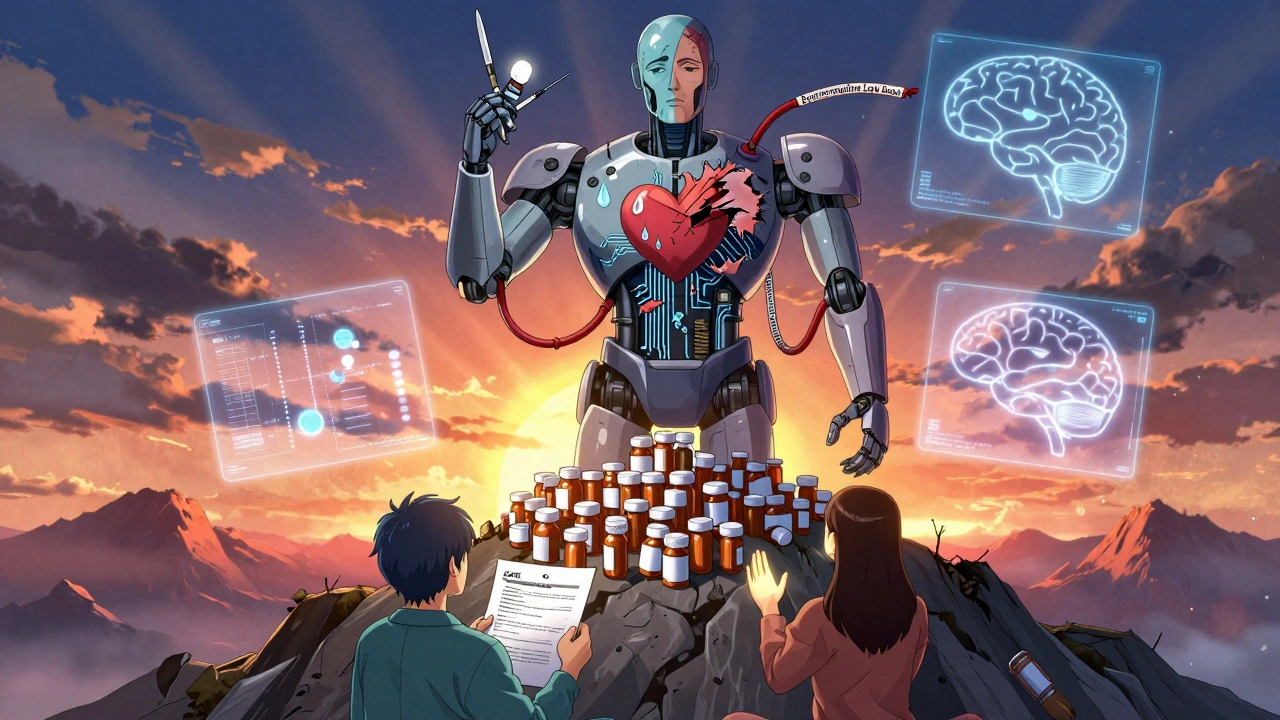
Stopping opioids cold turkey isn’t safe-and it won’t fix depression. But there are better paths.
1. Treat the depression, not just the pain. Cognitive behavioral therapy (CBT) for chronic pain has been shown to cut opioid use by 32% when combined with pain management. You don’t need to choose between pain relief and mental health-they can improve together.
2. Ask about buprenorphine. Yes, it’s an opioid. But at low doses (1-2 mg/day), it’s been shown to lift depression in people who didn’t respond to antidepressants. In one study, 47% of treatment-resistant patients felt better within four weeks. It’s not FDA-approved for depression yet, but some psychiatrists prescribe it off-label. If you’re struggling with both pain and mood, it’s worth a conversation.
3. Reduce the dose if possible. High doses (over 50 mg morphine equivalent) are linked to much higher depression risk. Work with your doctor to find the lowest effective dose. Sometimes, adding non-opioid pain treatments-physical therapy, nerve blocks, acupuncture-can help you taper safely.
4. Don’t go it alone. Support groups for chronic pain and mental health are out there. Talking to others who get it reduces shame and isolation. You’re not weak for feeling this way. You’re human.
The Bigger Picture
Scientists are still trying to figure out why short-term opioid use can lift mood, but long-term use crushes it. New research using brain scans is looking at how opioid receptors change over time-how the brain’s natural reward system gets rewired. A $4.2 million NIH study is tracking this in real time.
For now, the message is clear: opioids aren’t just painkillers. They’re mood-altering drugs. And if you’re on them long-term, your mental health needs as much attention as your physical pain.
The goal isn’t to scare you off opioids. It’s to make sure you’re not trading one suffering for another. If you’re on opioids and feel like you’ve lost yourself, you’re not alone. And help is possible-even if it doesn’t look like what you expected.
Can opioids cause depression even if I don’t have a history of mental illness?
Yes. A 2020 genetics study found that people with no prior depression history still had a higher risk of developing major depressive disorder after using prescription opioids. The risk increases with dose and duration. It’s not about being "weak" or "predisposed"-it’s about how opioids affect brain chemistry over time.
Is buprenorphine safe for treating depression while on opioids?
Low-dose buprenorphine (1-2 mg/day) has shown antidepressant effects in clinical trials, even in people who didn’t respond to standard antidepressants. It’s not FDA-approved for depression, but doctors can prescribe it off-label. It’s safer than high-dose opioids for mood, and it can help reduce cravings and withdrawal. Always discuss this with a psychiatrist or pain specialist familiar with its use.
How often should I get screened for depression if I’m on opioids?
The recommendation is to screen at the start of opioid therapy, then every three months. But if you’re on high doses, have a history of depression, or notice mood changes, screen monthly for the first six months. Use the PHQ-9-it’s quick, free, and validated. Don’t wait for your doctor to bring it up.
Can I stop opioids if I’m depressed?
Don’t stop suddenly. Withdrawal can worsen depression and cause severe physical symptoms. Work with a doctor to taper slowly while adding mental health support-like therapy or antidepressants. Many people find their mood improves after reducing or stopping opioids, but only if they have the right support in place.
Are there non-opioid pain treatments that help with both pain and depression?
Yes. Cognitive behavioral therapy (CBT) for chronic pain reduces both pain intensity and depressive symptoms. Exercise, even light walking, boosts natural endorphins and improves mood. Acupuncture, mindfulness, and certain supplements like curcumin or omega-3s have shown benefits in studies. Physical therapy can restore function without drugs. These aren’t "alternatives"-they’re often more effective long-term solutions.
Cristy Magdalena
December 2, 2025 AT 22:33I’ve been on opioids for 7 years. I didn’t cry. I didn’t scream. I just stopped laughing at my own jokes. Then one day I looked in the mirror and didn’t recognize the person staring back. I thought I was just tired. Turns out, I was grieving the version of me that still cared about sunsets and bad reality TV. The numbness didn’t come with a warning label. It crept in like mold.
Josh Bilskemper
December 3, 2025 AT 02:13Correlation isn’t causation. You’re attributing depression to opioids without controlling for confounders like sleep deprivation, social isolation, or preexisting trauma. Also, the 2020 study you cite used genetic proxies, not direct neurochemical measurements. Overstating risk is irresponsible.
Storz Vonderheide
December 5, 2025 AT 00:42Hey, I just want to say thank you for writing this. I’m a nurse in rural Ohio and I see this every day. People think they’re weak for feeling down on opioids, but it’s biology, not character. I’ve had patients cry because they thought their numbness meant they were broken. It doesn’t. It means their brain is trying to survive. Please, if you’re reading this and feel empty-reach out. You’re not alone. There are people who get it.
dan koz
December 6, 2025 AT 22:52Bro, I’m from Nigeria and we don’t have opioids like this. But I’ve seen my cousin go from painkiller to zombie. He stopped talking to his kids. Now he’s on methadone and still feels like a ghost. You right. This ain’t just pain. It’s soul theft.
Ethan McIvor
December 8, 2025 AT 06:57It’s like your brain forgets how to be happy without a chemical crutch. I used to love cooking. Now I stare at spices and wonder why I bother. The worst part? You feel guilty for feeling nothing. Like you’re betraying the pain you’re trying to escape. 🥲
Mindy Bilotta
December 9, 2025 AT 18:39PHQ-9 saved my life. I filled it out every month. Went from 18 to 4 in 6 months after cutting my dose. My doc was like 'oh you're fine' but the numbers didn't lie. Do the test. Even if you think you're 'just tired.' Trust the tool, not the tiredness.
Michael Bene
December 10, 2025 AT 06:30Oh here we go. Another 'opioids are evil' op-ed disguised as science. Let me guess-you’ve never had a broken spine or a failed fusion? You think your yoga mat and turmeric lattes fix nerve damage? Buprenorphine at 1mg? That’s not treatment, that’s placebo with a prescription. And don’t get me started on 'mood journals.' I’m not writing poetry, I’m surviving. You people treat chronic pain like a TED Talk.
Chris Jahmil Ignacio
December 10, 2025 AT 10:14Big Pharma wrote this. They know opioids cause depression so they push 'low-dose buprenorphine' as the fix-same drug, less profit loss. The NIH study? Funded by the same people who profit from opioid alternatives. They want you dependent on *new* drugs, not cured. The real solution? Stop taking pills. Let your body heal. But that doesn’t make money. And that’s why they silence people who say it.
Paul Corcoran
December 11, 2025 AT 08:44To everyone feeling this: you’re not broken. You’re not weak. You’re not failing. You’re just in a system that treats pain like a math problem and ignores the soul behind it. I’ve been there. I’m still here. And I’m not giving up. If you need to talk, I’m here. No judgment. No platitudes. Just someone who gets it.
Colin Mitchell
December 11, 2025 AT 21:20My dad was on high-dose opioids for 12 years. He didn’t talk for 3 months after he tapered. Then one day he said, 'I forgot what it felt like to be proud of myself.' He’s better now. Took time. Took help. Took courage. You’re not alone. And you’re not crazy. Just human.