
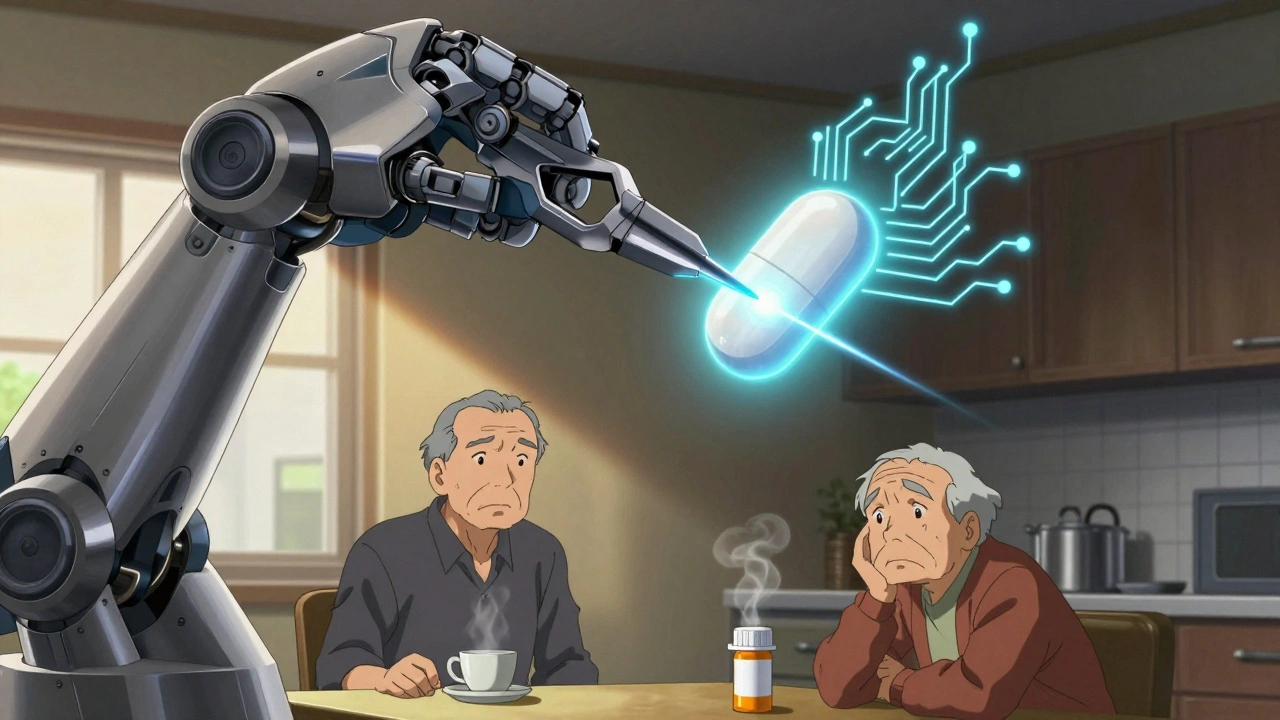
Medication costs are rising, and for many people, splitting pills is no longer just a hack-it’s a necessity. If you’re taking a 40mg tablet but only need 20mg, buying two 20mg pills might cost more than the single 40mg one. Splitting the higher-dose tablet can cut your bill by 25% to 50%. But here’s the catch: not all pills can be split, and doing it wrong can be dangerous. This isn’t about saving a few dollars-it’s about staying safe while saving money.
Why Pill Splitting Saves Money
Pharmaceutical companies don’t price pills linearly. A 40mg tablet often costs almost the same as a 20mg one, even though it contains twice the drug. That means buying one 40mg tablet and splitting it in half can save you money-sometimes a lot. For example, a 40mg atorvastatin tablet might cost $4.27, while two 20mg tablets cost $3.48 each, totaling $6.96. Splitting saves you nearly $2.70 per dose. Over a month, that’s $81 saved. For people on fixed incomes or without good insurance, that adds up fast. According to a 2022 Kaiser Family Foundation report, nearly 15% of Medicare Part D users split pills to save money. Seniors and low-income patients are the most likely to do it. The practice isn’t new-doctors and pharmacists have been advising it for decades. But now, with drug prices climbing and out-of-pocket costs rising, it’s more common than ever.Which Pills Can You Split?
Not every pill is safe to split. Some medications are designed to release slowly over time, or to protect the stomach, or to maintain precise blood levels. Splitting these can be risky-or even deadly.Safe to split (usually):
- Atorvastatin (Lipitor)
- Simvastatin (Zocor)
- Lisinopril (Zestril)
- Metoprolol (Lopressor)
- Fluoxetine (Prozac)
Never split:
- Extended-release tablets (like metformin ER, Adderall XR)
- Enteric-coated pills (like omeprazole, aspirin EC)
- Time-release capsules
- Drugs with narrow therapeutic windows: warfarin, digoxin, levothyroxine, tacrolimus
Why? For drugs like levothyroxine (Synthroid), a 10% dose change can throw your thyroid levels out of balance, causing fatigue, heart palpitations, or even hospitalization. Tacrolimus, used after organ transplants, has caused 37 documented adverse events in the U.S. between 2018 and 2022 due to improper splitting.
The key? Check the package insert. If it doesn’t say the pill can be split, assume it can’t. A score line doesn’t mean it’s safe-just that the manufacturer *could* have made it splittable. The FDA says only medications with explicit approval for splitting should be divided.
How to Split Pills Correctly
If your doctor or pharmacist says it’s okay, here’s how to do it right:- Get approval first. Never split a pill without asking your doctor or pharmacist. They know your meds, your health, and what’s safe.
- Use a pill splitter. Don’t use a knife, scissors, or your teeth. A dedicated pill splitter-a small plastic device with a V-shaped holder and a retractable blade-costs $3 to $10 at any pharmacy. It holds the pill steady and cuts cleanly.
- Split one pill at a time. Don’t split a whole bottle ahead of time. Once cut, pills are exposed to air, moisture, and heat. This can degrade the medication. Split only what you need for the day.
- Check the halves. If one half is crumbled, uneven, or dusty, throw it out. You’re not getting the right dose. Use the clean half and take the other half immediately.
- Wash your hands and the splitter. After each use, clean the splitter with soap and water. Residue from one pill can contaminate the next.
Studies show people who use a proper pill splitter get within 5-15% of the correct dose. People who use knives or break pills by hand? Dose errors jump to 25-72%. That’s not a small mistake-it’s a medical risk.
What Happens When You Do It Wrong
Real stories tell the real danger.One Reddit user split a time-release amlodipine tablet (used for high blood pressure) and ended up in the ER with dangerously low blood pressure. Another person split their Synthroid and had to get emergency blood work after their TSH levels spiked. A 2022 PharmacyTimes poll found 41% of people who split pills without professional advice noticed their meds didn’t work as well.
In a controlled study, 94 volunteers split 25mg hydrochlorothiazide tablets. Over 40% of the halves varied by more than 10% from the target dose. Twelve percent were off by more than 20%. That’s not just inaccurate-it’s unsafe.
And it’s not just about the dose. Splitting extended-release pills can cause the whole dose to release at once. That’s like taking five pills all at once. For some drugs, that’s a medical emergency.
Alternatives to Pill Splitting
Pill splitting isn’t the only way to save money. Sometimes, there are safer options:- Pharmacy discount cards: GoodRx and SingleCare often offer prices lower than splitting. A 100mg sertraline tablet might cost $0.12, while two 50mg tablets cost $0.08 each. Splitting here doesn’t save anything.
- Manufacturer patient assistance programs: Many drug companies offer free or low-cost meds to people who qualify based on income. These can save up to 53%.
- Generic alternatives: Ask your pharmacist if a different generic version is cheaper. Sometimes, switching brands saves more than splitting.
- 90-day supplies: Many insurance plans offer lower copays for 90-day prescriptions. You buy less often, and sometimes pay less per pill.
If you’re struggling to afford your meds, talk to your pharmacist. They know about savings programs you might not. You don’t have to risk your health to save money.

When to Stop Splitting
There are signs you should stop:- Your pill crumbles every time you split it
- You feel dizzy, nauseous, or unusually tired after taking a split pill
- Your blood pressure, blood sugar, or thyroid levels are fluctuating
- You’re unsure if the pill is safe to split
If any of these happen, stop splitting immediately. Contact your doctor. Your health isn’t worth the risk.
Even if you’ve been splitting pills for years without problems, that doesn’t mean it’s safe. Your body changes. Your meds might change. New studies come out. What was okay last year might not be now.
What’s Changing in the Future
The FDA is pushing manufacturers to test and label pills for splitability. By 2026, new oral medications will need to prove they can be safely split before they’re approved. More drugmakers are also releasing multiple strengths-so you won’t need to split as much.But until then, for millions of people, pill splitting is a real, daily choice. It’s not glamorous. It’s not perfect. But for many, it’s the only way to afford life-saving medication.
The bottom line? If you’re going to split pills, do it right. Get approval. Use the right tool. Split only what you need. And never guess. When it comes to your health, there’s no shortcut that’s worth the risk.
Can I split any pill with a score line?
No. A score line just means the pill was designed to be split-sometimes for manufacturing reasons, not safety. Always check the package insert or ask your pharmacist. Some scored pills, like extended-release tablets, should never be split.
Is it safe to split pills ahead of time?
No. Splitting pills in advance exposes them to air, moisture, and heat, which can break down the medication. Some pills lose potency within 24-48 hours after being split. Always split right before you take it.
What if my pill crumbles when I split it?
Throw it out. Crumbling means the pill isn’t holding together properly, and you won’t get the right dose. This often happens with older pills or those that are too dry or brittle. Talk to your pharmacist about getting a new batch or switching to a different form, like a liquid or capsule.
Can I use a knife or scissors to split pills?
Don’t. Knives and scissors are inaccurate and dangerous. They can slip, crush the pill, or leave sharp edges. A pill splitter is designed to hold the pill steady and cut it cleanly. It costs less than $10 and is the only tool recommended by pharmacists and the FDA.
Are there any medications that are always unsafe to split?
Yes. Never split extended-release, time-release, enteric-coated, or drugs with narrow therapeutic windows-like warfarin, digoxin, levothyroxine, or tacrolimus. Even a small dose change can cause serious side effects or hospitalization.
How can I find out if my pill is safe to split?
Check the drug’s package insert for any mention of splitting. If it’s not mentioned, call your pharmacist or doctor. You can also search the FDA’s website for the drug’s labeling. Never assume-it’s better to ask than to risk your health.
Can my pharmacy split pills for me?
Some pharmacies offer pill-splitting services, especially for seniors or patients on fixed incomes. Ask if your pharmacy has a pill splitter and trained staff who can do it safely. Some even offer pre-split pills in blister packs. This is often safer than doing it yourself.
If you’re unsure, talk to your pharmacist. They’re trained to help you save money-without risking your health.
Eddie Bennett
December 11, 2025 AT 14:59Been splitting my lisinopril for years with a $5 splitter from Walmart. Never had an issue, but I always check the label first. My grandma taught me this trick back in the 90s when she was on Medicare and barely made ends meet. If it saves you $80 a month, it’s not a hack-it’s survival.
Just don’t be lazy about it. Use the tool. Split one at a time. Don’t be that guy who cuts 30 pills and leaves them in a jar like snacks.
Sylvia Frenzel
December 12, 2025 AT 08:26This is why America is falling apart. People can’t afford medicine because drug companies are greedy and the government lets them get away with it. Instead of fixing the system, we’re telling seniors to cut pills with plastic toys like they’re in some DIY survival video. Pathetic.
Paul Dixon
December 13, 2025 AT 08:59My pharmacist splits my metoprolol for free every month. Just asked. No big deal. They’ve got a fancy machine and do it in front of you. No crumbling, no guesswork. If your pharmacy doesn’t offer it, ask. Most places will if you’re nice about it.
Also, GoodRx gave me my 40mg atorvastatin for $2.12 last week. Splitting saved me $2.70? Nah, I saved $4.85. Just sayin’.
Vivian Amadi
December 15, 2025 AT 04:17You people are idiots. Levothyroxine is not a gummy bear. One percent difference and your heart starts acting up. You think you’re smart splitting pills but you’re one bad batch away from a hospital bed. I work in a pharmacy. I’ve seen the ER reports. Don’t be the reason someone dies because you wanted to save $3 a week.
Lisa Stringfellow
December 16, 2025 AT 20:57So let me get this straight… we’re celebrating people cutting pills like it’s some noble act of frugality? Meanwhile, the same people who do this can’t afford a $10 pill splitter but will spend $80 on a fancy coffee maker. Hypocrisy is a lifestyle here.
Kristi Pope
December 17, 2025 AT 16:43Love that this post exists. So many people feel alone doing this but you’re not. I’ve been splitting my fluoxetine for 4 years. Used to be scared to death until my pharmacist showed me how to do it right.
Now I keep a little logbook-date, dose, how the half looked. It’s not glamorous but it’s mine. And I’m still here. Alive. Balanced. Saving money. You got this.
Also-don’t forget to wash that splitter. Soap and water. Not just a wipe. Your next pill deserves it.
Aman deep
December 18, 2025 AT 21:45From india here, we do this all the time. Not because we want to but because we have to. My uncle takes warfarin and he never splits it-he gets the 1mg tab and takes half. But he goes to clinic every week for blood test. That’s the real safety net.
Also, sometimes generic brands are cheaper than splitting. Just ask the pharmacist. They know more than google.
Sorry for typos, typing on phone with one hand while holding tea.
Jimmy Kärnfeldt
December 20, 2025 AT 00:02It’s funny how we treat medicine like it’s a puzzle to solve instead of a lifeline. We’re so proud of ourselves for ‘outsmarting’ the system when really we’re just surviving a broken one.
I split my simvastatin because I have to. But I don’t celebrate it. I mourn it. We shouldn’t have to choose between food and medicine. But since we do… do it right. Use the splitter. Ask your pharmacist. Don’t be a hero. Be careful.
Ariel Nichole
December 21, 2025 AT 16:04Just got my first prescription split by the pharmacy last week. They put it in a blister pack with the dose labeled. No more guessing. No more crumbs. $1 extra but worth it.
Also-my insurance covers 90-day fills now. I saved $150/month. Splitting was never even an option. Just ask around. There’s help out there.
john damon
December 22, 2025 AT 18:06YOOO I split my Adderall XR once bc I was low on cash 😭😭😭 I thought it was just a scored pill but NOOOO it was like a time bomb. Felt like my brain was on fire for 3 hours. ER visit. $1200 bill. Don’t be me. 🙏💊
matthew dendle
December 23, 2025 AT 16:31lol so you’re telling me we need a $10 plastic thing to cut a pill? what a country. next thing you know we’ll need a license to swallow aspirin. just use your teeth like the rest of the world. you think your grandma had a pill splitter? she had a knife and a prayer.
Monica Evan
December 23, 2025 AT 23:51My mom split her levothyroxine for 12 years until she got dizzy and almost passed out. Turned out the pill was crumbling inside the bottle. She didn’t know. We found out because her TSH was 18. Normal is 1-4.
Now she gets it pre-split by her pharmacy. Costs $2 more a month. She’s alive. That’s the win.
Don’t risk it. Ask. Always ask. Pharmacists are your secret weapon.