

Every day, millions of people scroll through TikTok, Instagram, and Facebook looking for quick health fixes. A post says drinking apple cider vinegar cures migraines. Another claims a miracle supplement can replace your blood pressure pill. Someone with 500,000 followers swears by a cold plunge to reverse diabetes. It sounds simple. It feels convincing. But unsafe medication advice on social media isn’t just misleading-it’s dangerous.
Why Social Media Isn’t a Doctor
Social media platforms aren’t designed to give medical advice. They’re built to keep you scrolling. The algorithm doesn’t care if a post is true-it cares if it gets clicks, shares, and angry comments. That’s why extreme claims thrive. Someone saying, “I took this herb and my cancer vanished,” will get more attention than a nurse explaining why that’s not possible. The World Health Organization called this an “infodemic” during the pandemic. But it didn’t end when COVID did. In fact, it got worse. A 2023 study found that nearly 60% of Americans use social media to look up health info. And many of them act on what they see-without checking if it’s safe.Red Flags That Mean You’re Seeing Dangerous Advice
Not all health content on social media is bad. But these signs mean you’re looking at something risky:- Someone who isn’t a licensed professional is giving medical advice. A fitness influencer, a mom with a blog, or a “wellness coach” with no medical training should not be telling you what pills to take, stop, or mix. Only doctors, pharmacists, and registered nurses can legally give medical advice to patients they’ve evaluated.
- It’s a product pitch disguised as advice. If the post says, “This one supplement fixed everything,” and then links to a website selling it, that’s advertising-not medicine. Healthline found that many influencers are paid to promote supplements, weight-loss teas, or unapproved drugs. Their goal isn’t your health-it’s their commission.
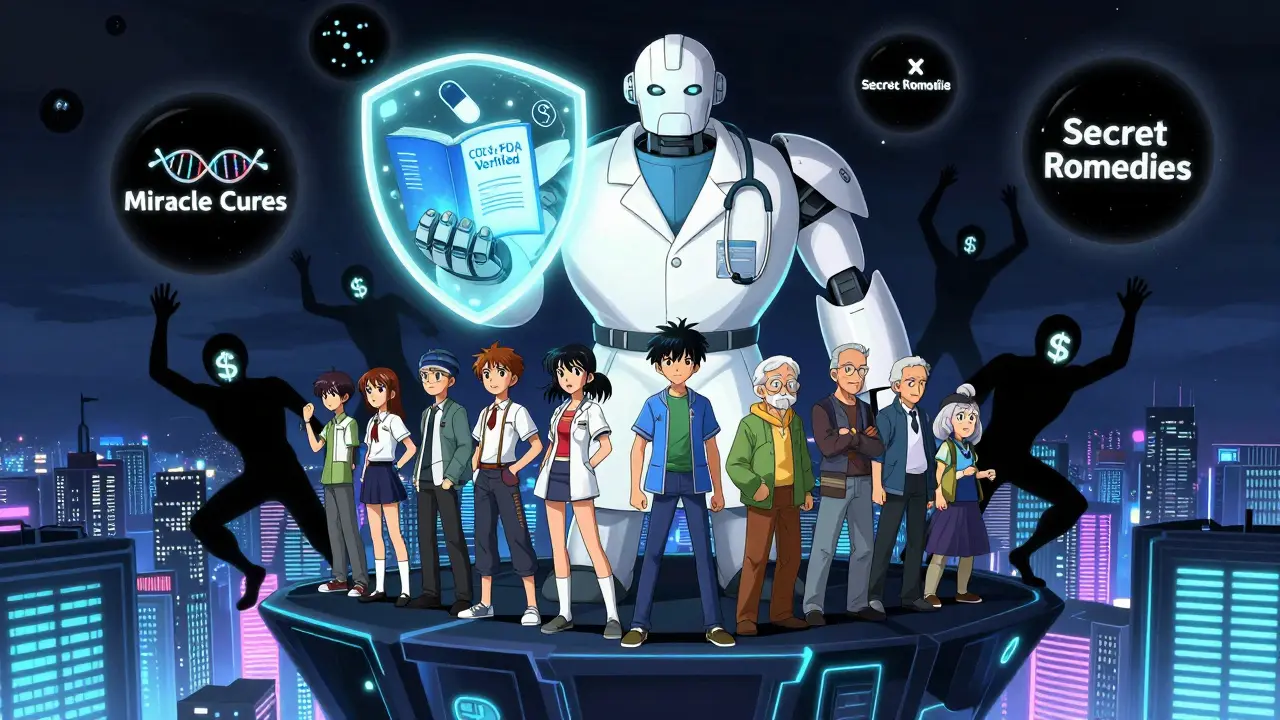
- It promises a miracle cure. If something claims to cure cancer, diabetes, or arthritis with a single ingredient, walk away. Real medicine doesn’t work that way. The CDC and FDA have repeatedly warned against “miracle cures” that lack clinical evidence.
- It ignores your personal health history. What works for one person can kill another. If someone says, “I took X and felt amazing,” they’re not telling you it’s safe for you. If you’re on blood thinners, have kidney disease, or are pregnant, mixing random supplements with your meds can cause serious harm. The UNMC Health Security article says it plainly: “What works for one person may not work for everyone.”
- It’s secret knowledge. “Doctors don’t want you to know this!” “The FDA is hiding the truth!” These are classic conspiracy tactics. Real science is published in peer-reviewed journals, not hidden in Instagram stories. If you can’t find the same claim in the CDC, Mayo Clinic, or a medical journal, it’s likely false.
How to Check If It’s Real
You don’t need a medical degree to spot fake advice. Here’s how to verify anything you see:- Look up the person behind the claim. Type their name + “credentials” into Google. Are they a licensed pharmacist? A board-certified doctor? Or just someone with a yoga certification and a sponsored link? If you can’t find any official medical training, ignore it.
- Check the source of the advice. Is it coming from a hospital, university, or government agency? Or from a brand-new Instagram account with no followers and no history? Trust .gov, .edu, and well-known medical organizations like the Mayo Clinic, Cleveland Clinic, or the World Health Organization. Avoid blogs with no author or no references.
- Search for the claim in three trusted places. Don’t rely on one source. Look up the same claim on the CDC website, the FDA’s consumer updates, and PubMed (a free database of medical research). If all three say it’s false or unproven, it’s not safe to follow.
For example, if someone says “turmeric replaces statins,” search “turmeric statins CDC” or “turmeric cholesterol FDA.” You’ll find studies showing turmeric may have mild anti-inflammatory effects-but zero evidence it lowers LDL cholesterol like statins do. Skipping your prescribed medication for a spice could lead to a heart attack.
How Algorithms Trick You
You might think you’re choosing what to see. But the truth is, the algorithm is choosing for you. If you’ve ever liked a post about “natural cures for anxiety,” you’ll start seeing more of them. Soon, your feed is full of people claiming they cured depression with essential oils. That’s not coincidence-it’s design. This creates “echo chambers.” You only see what reinforces your beliefs. A 2023 study from the University of Denmark found people who opposed vaccines were shown completely different information than those who supported them-even when both groups searched the same term. The algorithm doesn’t care about truth. It cares about engagement. That’s why “pre-bunking” works. Instead of waiting to correct misinformation after it spreads, experts recommend exposing people to accurate facts first. If you know that “vitamin C doesn’t cure colds” before you see the post claiming it does, you’re less likely to believe it.Who’s Most at Risk?
Teens and young adults are the most vulnerable. A 2023 study in JAMA Pediatrics found that adolescents who get health info from TikTok and Instagram are more likely to try dangerous trends-like fasting to “detox,” skipping insulin, or using unregulated weight-loss drugs. Many don’t realize influencers are paid to sell products. Others think if it’s popular, it must be true. Parents, caregivers, and older adults are also at risk. Older users may not understand how algorithms work. They trust someone who sounds kind and confident. And they’re often managing multiple medications-making them more likely to suffer harmful interactions.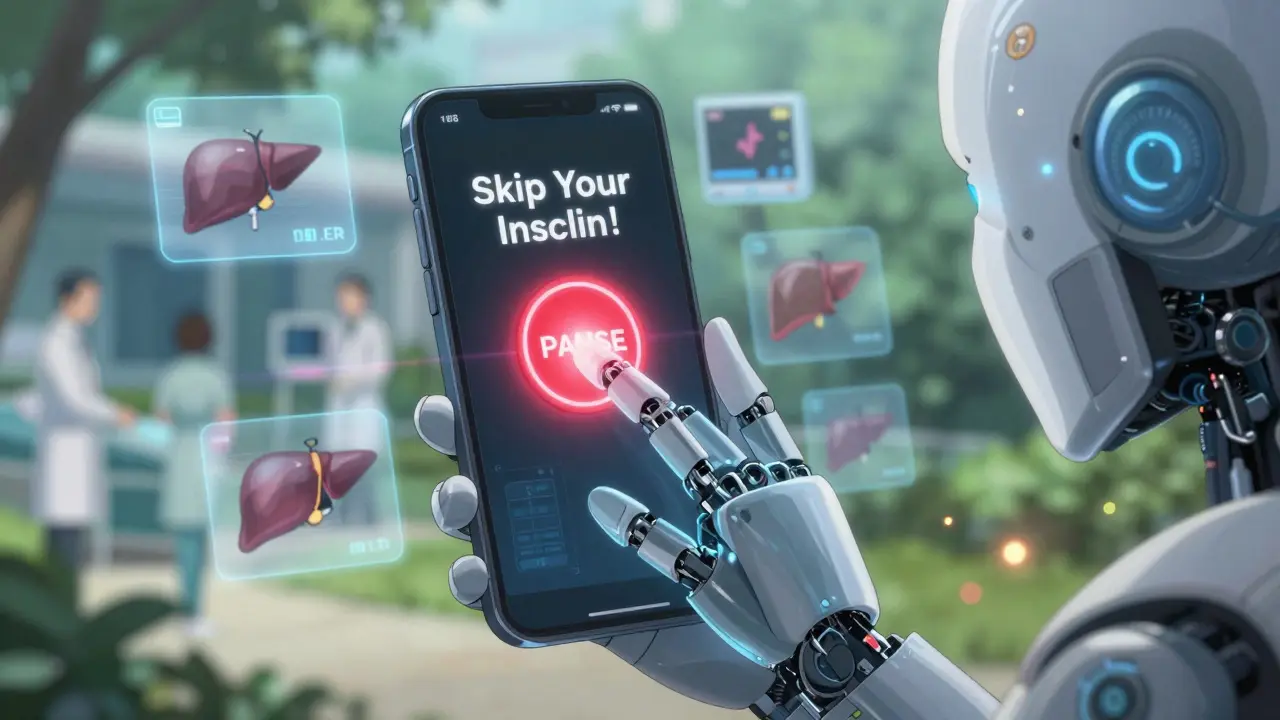
What to Do Instead
Here’s what to do when you see questionable advice:- Don’t share it. Even if you’re sharing to warn others, you’re still giving the post more visibility. Algorithms reward shares.
- Report it. Facebook, Instagram, and YouTube have tools to flag misleading health content. Use them.
- Ask your doctor or pharmacist. Bring the post with you. Say, “I saw this online-can you tell me if it’s safe?” Most healthcare providers welcome these questions.
- Follow trusted accounts. Instead of influencers, follow the CDC, FDA, World Health Organization, or your local hospital. They post real, science-backed updates.
It’s Not Just About You
Unsafe medication advice doesn’t just hurt the person who believes it. It can harm others too. If someone stops their insulin because of a TikTok video, they could end up in the ER. If a parent gives their child an unapproved supplement, it could cause liver damage. If a senior mixes herbs with their heart meds, it could trigger a stroke. The law is clear: in most countries, it’s illegal for healthcare professionals to give medical advice to people they haven’t examined. That means every post telling you what to take without knowing your history is not just wrong-it’s breaking the rules.Final Rule: When in Doubt, Pause
Before you try anything you see online-whether it’s a new pill, a supplement, or a drastic diet change-pause. Ask yourself: Who’s behind this? What’s their motive? Where’s the proof? If you can’t answer those questions with confidence, don’t do it. Medication safety isn’t about being skeptical of everything. It’s about being smart about where you get your info. The internet is full of good advice. But it’s also full of lies dressed up as help. Learn to tell the difference. Your life-and maybe someone else’s-depends on it.Can social media influencers legally give medical advice?
No. In most countries, only licensed healthcare professionals-like doctors, pharmacists, or registered nurses-can legally give medical advice, and only to patients they’ve personally evaluated. Influencers who claim to offer medical guidance without credentials are violating professional and often legal standards. Even if they say “I’m not a doctor,” they’re still breaking rules if they’re telling people what medications to take or stop.
What should I do if I already followed unsafe advice?
Stop immediately. If you’ve taken a supplement, changed your dosage, or skipped a prescribed medication, contact your doctor or pharmacist right away. Don’t wait for symptoms. Some interactions can cause damage before you feel anything. Bring the post or product name with you so they can assess the risk. If you’re having a medical emergency, go to the nearest hospital or call emergency services.
Are all natural supplements safe?
No. Just because something is labeled “natural” doesn’t mean it’s safe. Many herbal supplements interact with prescription drugs. For example, St. John’s Wort can reduce the effectiveness of birth control, antidepressants, and blood thinners. The FDA doesn’t test supplements for safety or effectiveness before they’re sold. Always check with your pharmacist before taking any supplement-even if it’s sold in a health food store.
Why do fake health claims spread so fast?
Because they’re emotionally powerful and simple. A post saying “This one pill cured my chronic pain” is easier to believe than a 10-page study on inflammation. Social media algorithms reward content that triggers strong reactions-anger, fear, hope-so false claims get pushed to more people. The more people share it, the more the algorithm shows it to others, creating a cycle that’s hard to break.
How can I help protect others from unsafe advice?
Don’t share unverified claims. Report misleading posts on the platform. Talk to friends and family about how to spot fake advice. Share reliable sources like the CDC or FDA websites. If you’re a parent or caregiver, teach teens to question what they see online. Small actions add up. The more people learn to verify health info, the harder it becomes for dangerous myths to spread.
Doreen Pachificus
January 3, 2026 AT 12:45Been there. Saw a TikTok about 'turmeric cures arthritis' and almost bought the $80 bottle. Thank god I checked the FDA site first. Turned out it was the same brand that got shut down last year for false claims. Scary how easy it is to get sucked in.
Stephen Craig
January 4, 2026 AT 15:05Truth is, the algorithm doesn't care if you live or die. It just wants you to click.
Michael Rudge
January 6, 2026 AT 00:26Oh wow. A whole article about how people are dumb. Groundbreaking. I’m sure the influencers reading this are just sobbing into their organic kale smoothies.
Justin Lowans
January 7, 2026 AT 05:50This is one of the most thoughtful pieces I’ve read on this topic in ages. The breakdown of red flags is practical, not preachy. I’ve shared this with my book club-we’re all over 60 and mostly getting our ‘health tips’ from Facebook. Thank you for writing this with clarity and care.
Rory Corrigan
January 8, 2026 AT 13:40we’re all just trying to survive the noise, right? 😔
Connor Hale
January 9, 2026 AT 13:29The real tragedy isn’t the misinformation-it’s that people who need real help often can’t access it. The system’s broken. Social media fills the void with glitter and lies.
Roshan Aryal
January 9, 2026 AT 23:16Of course Western medicine is scared of natural remedies. They’re losing billions. The FDA is a corporate puppet. You think they’d allow a $2 herb to replace a $5000 drug? Wake up. This article is propaganda for Big Pharma.
Charlotte N
January 11, 2026 AT 06:32i saw this video where this girl said lemon water fixes your thyroid?? and i was like... wait... but my cousin took that and got sick?? but then her friend said no that’s not true?? so now i’m just confused??
Ethan Purser
January 12, 2026 AT 19:42It’s not about the advice. It’s about the loneliness. People don’t follow these posts because they’re stupid-they follow them because no one’s listening to them. The real epidemic isn’t misinformation. It’s isolation. And the algorithm? It’s the world’s most cynical therapist.
bob bob
January 13, 2026 AT 21:07Bro. I literally told my mom to stop taking that ‘miracle’ supplement after she started shaking. She said ‘but the influencer said it’s natural!’ I showed her the FDA warning. She cried. We went to the pharmacy together. She’s fine now. Just… talk to your people. Even if it’s awkward.
Vicki Yuan
January 13, 2026 AT 23:26One of the most effective strategies I’ve found: when someone shares a questionable health post, reply with ‘Have you checked the CDC page on this?’ More often than not, they’ll look it up. Small nudges create ripples.
Jack Wernet
January 13, 2026 AT 23:33As someone who grew up in a household where traditional remedies were respected but always cross-checked with a doctor, I’m grateful for this guide. Cultural beliefs around health are powerful-but safety should never be sacrificed for tradition or trend. Thank you for honoring both.
Catherine HARDY
January 15, 2026 AT 19:40They’re watching us. Every like, every share. They know who’s vulnerable. They know who’s scared. They’re not just selling supplements-they’re selling fear. And they’re getting rich off our panic. This isn’t a conspiracy. It’s capitalism. And it’s working.
Angie Rehe
January 16, 2026 AT 00:40Per the WHO’s 2023 infodemic framework and the CDC’s Health Communication and Media Engagement Protocol (HCMEP v4.1), the primary vector of harm in digital health misinformation is the confluence of algorithmic amplification, low health literacy, and monetized disinformation ecosystems. The solution requires a multi-layered intervention: cognitive debiasing, platform-level content moderation via NLP-based flagging, and community-level health literacy scaffolding. We must move beyond anecdotal awareness to systemic structural reform.